Restaurant Food SEO: Uber Eats, Grubhub, DoorDash and OpenTable Marketing Tactical Strategies with Favour Obasi-ike

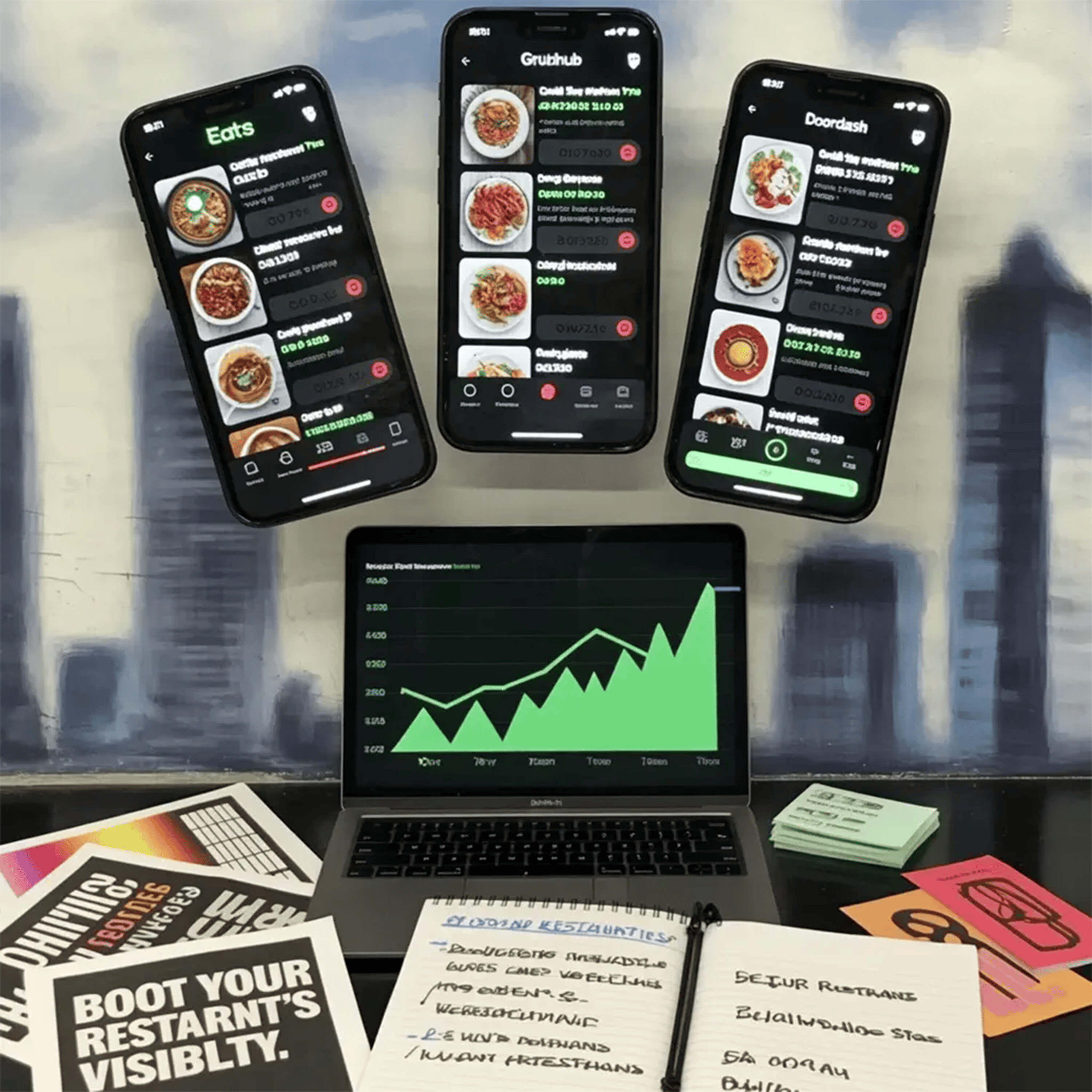



This Clubhouse marketing session explores the multifaceted world of Restaurant SEO and its application to local businesses. Favour details how establishing a strong digital presence through third-party platforms like Uber Eats and DoorDash creates a "franchise SEO" ecosystem that builds brand authority. The discussion emphasizes off-page strategies, such as connecting Google Business profiles and social media links, to drive traffic and foster community trust. Participants also examine the role of multimedia content, suggesting that podcasts and videos can humanize a brand by showcasing chef interviews or cooking processes.
Beyond restaurants, the conversation expands to cover niche industries like private investigation, highlighting how AI-driven search and reputation management are reshaping modern visibility. Ultimately, the sources advocate for a strategic blend of long-term organic growth and immediate paid advertising to maintain a competitive edge.
Restaurant SEO: Uber Eats, Grubhub and DoorDash Marketing Tactical Strategies with Favour Obasi-ike with Favour Obasi-Ike | Sign up for exclusive SEO insights.
-------------------------------------------------------------------------
Next Steps for Booking A Discovery Call | Digital Marketing + SEO Services:
>> Visit our Work and PLAY Entertainment website to learn about our digital marketing services.
>> Visit our Official website for the best digital marketing, SEO, and AI strategies today!
-------------------------------------------------------------------------
Episode Timestamps
[00:00:00] Introduction: Defining Restaurant SEO
The discussion begins by establishing that "Restaurant SEO" is not a unique discipline but rather a specialized application of local SEO. This foundational understanding is critical for any business reliant on a physical location for customer visits, from restaurants and local stores to farm markets. At [00:01:15], the host defines Restaurant SEO as local SEO with a "restaurant tag" on it, emphasizing its importance for driving traffic, generating tangible results, and gathering customer feedback—all vital for a local establishment's growth.
By [00:03:30], the conversation introduces two key strategies for extending a restaurant's online reach. The first is Franchise SEO, which involves leveraging third-party platforms with active communities, such as DoorDash, GrubHub, OpenTable, and NextDoor. Listing a restaurant on these services creates powerful backlinks to its primary website, enhancing its authority.
The second is Off-Page SEO, which refers to activities on other digital platforms, primarily social media sites like Facebook, Instagram, and TikTok. Connecting these profiles back to the main website helps build a robust online presence and authority. These definitions set the stage for the episode's central strategic debate on driving business growth.
[00:10:00] The Core Debate: SEO for Trust vs. Ads for Immediacy
This section frames the episode's central conflict, presenting two competing yet complementary philosophies for driving restaurant growth. The speakers weigh the immediate, traffic-driving power of paid advertising against the long-term, trust-building foundation of a solid SEO strategy.
At [00:11:45], John makes a strong case for prioritizing paid advertising, asserting that restaurants "need customers now." He argues that paid strategies, such as a proven Facebook advertising model, are the most effective tools for immediate results and that SEO should be considered a secondary, long-term project. At [00:15:20], another speaker supports John's point on the need for immediacy, using a practical example to illustrate the customer mindset: "if I want chicken wings, I'm not worried about SEO."
By [00:18:00], Favour presents the counter-argument, clarifying that SEO's primary role is to build trust and credibility before a sale can occur. He uses the analogy of a "red flag" for anyone promising immediate sales directly from SEO. The group reaches a consensus that a balanced approach is best: ads are essential for short-term traffic, while SEO serves as the indispensable long-term foundation for sustainable growth and brand authority. The conversation then transitions from this high-level strategy debate to a specific, actionable content strategy proposed by the host.
[00:25:00] A Creative Content Strategy: The Restaurant Podcast
This segment introduces a novel and powerful idea for restaurants to differentiate themselves and build a deep, trust-based relationship with their community. The speakers frame podcasting as a way for a restaurant to move beyond simple listings and reviews to become a true content creator and community hub.
At [00:26:10], the host proposes that a restaurant should start its own podcast, utilizing both audio and video formats to engage potential customers on a deeper level. By [00:27:30], the group brainstorms a range of compelling content ideas, including video recipes, cooking tutorials, and culinary tips; interviews with the restaurant's chefs to discuss their creative process; discussions on the quality and sourcing of ingredients; answering frequently asked questions from customers; exploring the history and cultural significance of the cuisine; collaborating with beverage brands featured on the menu; taste tests and sampling sessions; customer testimonials; and behind-the-scenes looks at special events or cookouts.
By [00:30:00], the primary strategic goal of this podcasting strategy is articulated: to build profound trust by allowing customers to discover aspects of the restaurant they would never think to search for, thereby creating a stronger and more resilient brand connection. This discussion on creating unique content naturally leads to the technical necessity of structuring that content correctly on the restaurant's website.
[00:33:00] Technical SEO Deep Dive: The Menu is Your Website
This section uncovers a critical and often-overlooked technical SEO mistake that can severely handicap a restaurant's online visibility. The speakers reveal how relying on seemingly convenient third-party systems for menu hosting can prevent a restaurant from capitalizing on valuable search traffic.
At [00:34:05], a speaker highlights the significant failure of using platforms like Toast that consolidate an entire menu onto a single landing page. He explains that this approach misses the opportunity to have 25 separate, indexable pages for a 25-item menu. By [00:36:15], the impact of this mistake is clarified: individual menu item pages should be treated like e-commerce products. Each page is capable of generating its own organic traffic and ranking for highly specific searches, such as "best chicken wings in [city]."
The solution, discussed at [00:38:40], is to structure the restaurant's website so that each menu item has its own dedicated page. Each page should be optimized with rich descriptions, proper titles, and an easy-to-use ordering system, thereby maximizing the restaurant's "footprints and stamps across the internet." The conversation then shifts from these on-site technical details to the broader, future-facing topic of visibility within emerging AI search engines.
[00:42:00] The Future: AI Visibility and Advanced Automation
Setting the stage for a forward-looking discussion, the experts explore how the concept of "being found" is expanding beyond traditional search engines. The focus shifts to include AI-powered Large Language Models (LLMs) and the new opportunities they present for visibility and automation.
At [00:43:10], the group discusses the growing importance of "AI Visibility." This involves ensuring a restaurant's information appears when users ask direct questions to AI chatbots like ChatGPT (e.g., "what's the best sushi restaurant near me?"). They also touch on how platforms like Perplexity can be leveraged for rapid ranking within these new search paradigms.
By [00:45:00], the concept of using AI agents and automation for SEO tasks is introduced. A speaker provides a powerful example of using a tool like N8N to create an agent that can log into a website daily and automatically optimize product titles. He elevates this concept by explaining the goal is to move beyond simple email reports and "upgrade to the voice agents... and my AI gives me a phone call about the listings that's been optimized," emphasizing a future where an AI proactively works and reports, even waking the owner from sleep with critical updates.
At [00:47:25], the speakers identify some of the foundational data sources that LLMs use to answer queries, such as SERP API and DuckDuckGo. This highlights the necessity for businesses to be listed and visible in these core digital infrastructures to appear in AI-generated results. This look into the future of search concludes the main discussion.
See Privacy Policy at https://art19.com/privacy and California Privacy Notice at https://art19.com/privacy#do-not-sell-my-info.


