Eventbrite Marketing SEO Strategies to Sell Online Tickets Organically 🎟️ (Case Studies) with Favour Obasi-ike



This episode unpacks how Eventbrite marketing and SEO can be used to grow a business and sell tickets through organic search. Favour Obasi-ike emphasizes that placing targeted keywords at the beginning of event titles is crucial for creating effective URL (uniform resource locators) slugs that rank well on search engines.
To build trust and boost visibility, event organizers should also embed YouTube videos and utilize back-linking strategies within event descriptions. Real-world case studies discussed illustrate that scheduling events at least one month in advance allows search algorithms sufficient time to index the content and reach potential attendees.
Even after an event concludes, Favour notes that active links continue to drive traffic, serving as a long-term asset for brand awareness. Ultimately, the source advocates for a data-driven approach that combines strategic messaging with technical SEO to ensure sustainable audience growth.
Need to Book An Appointment?
>> Book a Complimentary SEO Discovery Call with Favour Obasi-Ike
>> Visit Work and PLAY Entertainment website to learn about our digital marketing services
>> Purchase Flaev Beatz Beats Online
Episode Timestamps
[00:00:00] Introduction: Why Eventbrite is a Hidden SEO Goldmine
The episode begins by positioning Eventbrite as a critical platform for business marketing, lead generation, and product promotion, beyond mere event discovery. The emphasis is on creating every listing with the "searcher's benefit" in mind, focusing on how the event serves the needs of a potential attendee actively searching for a solution. This strategic mindset is the key to unlocking the platform's potential and leads directly into the most critical setup step for organic success.
[00:05:30] The Single Most Important SEO Factor: Your Event Title
The event title is presented as the most crucial element for SEO success because it directly generates the event's URL slug. Placing primary keywords at the beginning of the title ensures they appear at the start of the URL, dramatically improving visibility on Google and Eventbrite. Conversely, placing keywords at the end creates a less effective URL and weakens search ranking from the outset. Getting this step wrong can undermine the entire organic marketing effort.
[00:12:15] The Long-Term Value of an Eventbrite Listing
A unique feature of Eventbrite is that its event links remain active and discoverable long after an event ends. These expired listings function as permanent digital assets that continue to house links to websites, YouTube videos, and other resources. As such, an old event page acts as a long-term digital billboard, continuously driving traffic and brand visibility for months or years. This sets the stage for a practical case study.
[00:17:45] Case Study 1: The Wreath-Making Workshop (A Paid Event Strategy)
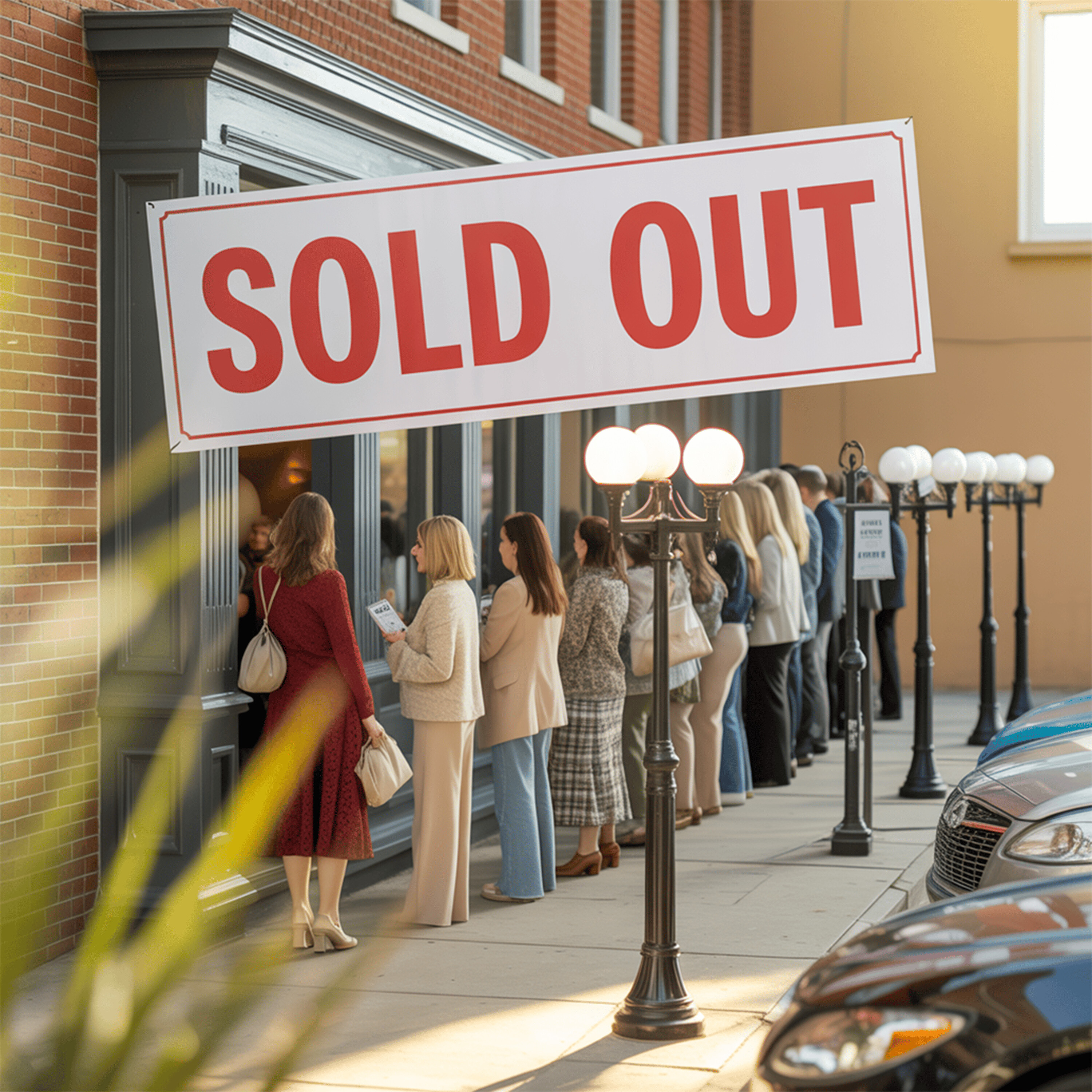
This case study demonstrates timing, targeting, and iterative improvement by combining organic SEO with minimal paid ads. A client's first workshop failed due to a two-week lead time, which was insufficient for search engine indexing. For the second attempt, strategic changes were made: scheduling four weeks in advance for algorithm indexing, creating a high-quality 4K promotional video, and running hyper-targeted Facebook ads with a $5/day test budget aimed at building community. The result was a sold-out event, providing a repeatable formula for marketing local, paid events.
[00:31:00] Technical SEO Deep Dive: Why Your Website Pages Get De-Indexed
This section explains technical reasons for losing search ranking over time. Key factors include the "Last Modified" date in a website's XML sitemap, which signals content freshness to search engines; the 24-month lifespan of a blog post's SEO relevance if left untouched; and the actionable "update rule" of updating two old pages for every new one published. A contrast is drawn with podcast RSS feeds, which re-index the entire channel with each new episode, highlighting a unique SEO benefit of podcasting. This reinforces the importance of an updated digital presence to support event marketing.
[00:48:15] Case Study 2: The Junk Journaling Workshop (A Free Event Strategy)
This case study proves the core SEO principles work for a free event launched by a brand-new account with zero prior audience. The client created a new Eventbrite listing for a niche craft workshop with one month of lead time. Relying purely on organic discovery, all 10 free slots sold out to unknown attendees. The 10 conversions came from just 88 page views, indicating a highly effective, targeted listing. Page views continued to climb after sell-out, proving Eventbrite pages remain active SEO assets. The next step is community building.
[00:55:30] The Post-Event Pivot: From Attendees to a Community
The conclusion shifts focus to the true metric of success: not just tickets sold, but building a returning community. The recommended strategy involves using a post-event QR code linked to a survey to gather feedback. For free events, this is a critical opportunity to ask attendees if they would return for a paid event, gauging future viability and gaining consent for upselling. This final step transforms a single event into a sustainable, community-driven business model.
Memorable Quotes:
"The fault begins with the message. And if the message is wrong, everybody is confused."
"It's not about how many tickets were sold. It's how many people came, saw, went back, and came back again."
"For every one page that you publish, update the last two that I just want to make it easy."
Actionable Takeaways & Memorable Quotes
Top 3 Actionable Takeaways:
1. Prioritize Your Title: Always place your primary keywords (e.g., "Marketing Workshop," "Cooking Class") at the very beginning of your Eventbrite title to create an SEO-optimized URL slug.
2. Respect the 3-Week Rule: Launch your event at least three to four weeks in advance. This gives search engine algorithms the necessary time to index your page and show it to relevant audiences organically.
3. Plan the Post-Event Follow-Up: The event isn't over when it ends. Use a simple QR code survey to collect feedback and, for free events, to ask attendees if they would be willing to pay for a future version.
See Privacy Policy at https://art19.com/privacy and California Privacy Notice at https://art19.com/privacy#do-not-sell-my-info.


